

In today's health - conscious society, more and more consumers are paying close attention to their sodium intake. High sodium consumption has been linked to various health issues, including high blood pressure, heart disease, and stroke. As a food ingredients supplier, we understand the importance of providing low - sodium alternatives to meet the market demand. In this blog, we will explore some food ingredients that are low in sodium, which can be great choices for food manufacturers looking to create healthier products.
1. Yeast - Based Ingredients
Yeast - based ingredients are not only low in sodium but also offer a variety of health benefits and flavor enhancement properties.
Yeast Beta - glucan
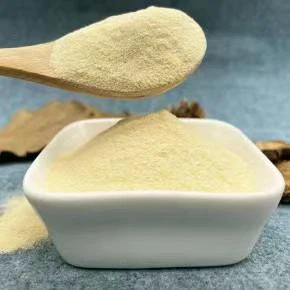
Yeast Beta - glucan is a natural polysaccharide derived from the cell walls of baker's yeast. It is well - known for its immune - boosting properties. This ingredient is extremely low in sodium, making it an ideal choice for formulating low - sodium foods.
Beta - glucan has been shown to stimulate the immune system by activating immune cells such as macrophages and neutrophils. It can also help in reducing cholesterol levels and improving gut health. In the food industry, Yeast Beta - glucan can be used in a wide range of products, including bakery items, dairy products, and functional beverages. For more information about Yeast Beta - glucan, you can visit Yeast Beta - glucan.
Autolyzed Yeast
Autolyzed yeast is another excellent low - sodium ingredient. It is produced by allowing yeast cells to self - digest, releasing a rich blend of amino acids, peptides, and nucleotides. These components contribute to a savory, umami flavor, which can be used to enhance the taste of food products without relying on excessive amounts of salt.
Autolyzed yeast can be used as a natural flavor enhancer in soups, sauces, snacks, and meat products. It not only reduces the need for sodium but also adds depth and complexity to the flavor profile of the food. If you want to learn more about Autolyzed Yeast, please visit Autolyzed Yeast.
Yeast Protein
Yeast protein is a high - quality, complete protein source that is low in sodium. It contains all the essential amino acids in the right proportions, making it suitable for vegetarians and vegans as well as those looking to increase their protein intake in a healthy way.
Yeast protein can be used in protein bars, shakes, and other sports nutrition products. It can also be incorporated into meat substitutes to improve their nutritional value and texture. For detailed information about Yeast Protein, you can click on Yeast Protein.
2. Herbs and Spices
Herbs and spices are nature's flavor powerhouses and are virtually sodium - free. They can be used to add a burst of flavor to food without adding any sodium.
Basil
Basil is a fragrant herb with a sweet and slightly peppery flavor. It is commonly used in Italian cuisine, especially in tomato - based dishes such as pasta sauces and pizzas. Basil can also be used in salads, soups, and marinades. By using basil, food manufacturers can reduce the amount of salt in their products while still creating delicious and flavorful dishes.
Cinnamon
Cinnamon is a warm and sweet spice that is well - known for its antioxidant properties. It can be used in both sweet and savory dishes. In sweet products like baked goods and cereals, cinnamon can add a natural sweetness, reducing the need for added sugars and salt. In savory dishes, it can be used in curries, stews, and meat rubs to add a unique flavor profile.
Turmeric
Turmeric is a bright yellow spice with a slightly bitter and earthy flavor. It contains a compound called curcumin, which has powerful anti - inflammatory and antioxidant effects. Turmeric can be used in a variety of dishes, including Indian curries, rice dishes, and vegetable stir - fries. It not only adds color and flavor but also provides health benefits, making it a great addition to low - sodium food formulations.
3. Vegetables and Fruits
Many vegetables and fruits are low in sodium and can be used as key ingredients in low - sodium food products.
Celery
Although celery has a naturally slightly salty taste, it is actually low in sodium. It is rich in fiber, vitamins, and minerals. Celery can be used in soups, salads, and as a snack on its own. Its crunchy texture and mild flavor make it a versatile ingredient in the food industry.
Apples
Apples are a popular fruit that is low in sodium and high in fiber and antioxidants. They can be used in a variety of products, such as apple sauces, juices, and baked goods. Apples add natural sweetness and moisture to food, reducing the need for added sugars and salt.
Zucchini
Zucchini is a summer squash that is low in calories and sodium. It can be used in a variety of ways, including in pasta dishes, as a substitute for noodles, or in baked goods. Zucchini adds a fresh and mild flavor to food products, making them more appealing and healthy.
4. Low - Sodium Dairy Alternatives
For those who are lactose - intolerant or looking for low - sodium dairy options, there are several alternatives available.
Almond Milk
Almond milk is a popular dairy alternative that is low in sodium. It is made from ground almonds and water and has a slightly nutty flavor. Almond milk can be used in place of cow's milk in coffee, tea, smoothies, and cereal. It is also suitable for making dairy - free desserts and sauces.
Coconut Milk
Coconut milk is another low - sodium option. It is made from the flesh of coconuts and has a rich and creamy texture. Coconut milk can be used in curries, soups, and desserts. It adds a tropical flavor to food products and can be a great alternative to high - sodium dairy products.
As a food ingredients supplier, we are committed to providing high - quality, low - sodium ingredients to our customers. Our range of yeast - based ingredients, herbs, spices, vegetables, fruits, and dairy alternatives can help food manufacturers create delicious and healthy low - sodium products. Whether you are a large - scale food producer or a small - batch artisanal food maker, we have the ingredients you need to meet the growing demand for low - sodium foods.
If you are interested in our low - sodium food ingredients, we invite you to contact us for a procurement discussion. We can provide samples, technical support, and customized solutions to meet your specific needs. Let's work together to create healthier and more flavorful food products for consumers.

References
- American Heart Association. (2023). Sodium and Your Health.
- Institute of Medicine. (2019). Dietary Reference Intakes for Sodium and Potassium.
- Food and Agriculture Organization of the United Nations. (2022). Low - Sodium Food Ingredients: A Guide for Food Manufacturers.


